Toggle Nav

Will These Alloys Fit My Car? Getting Wheel Fitment Right
October 25, 2026
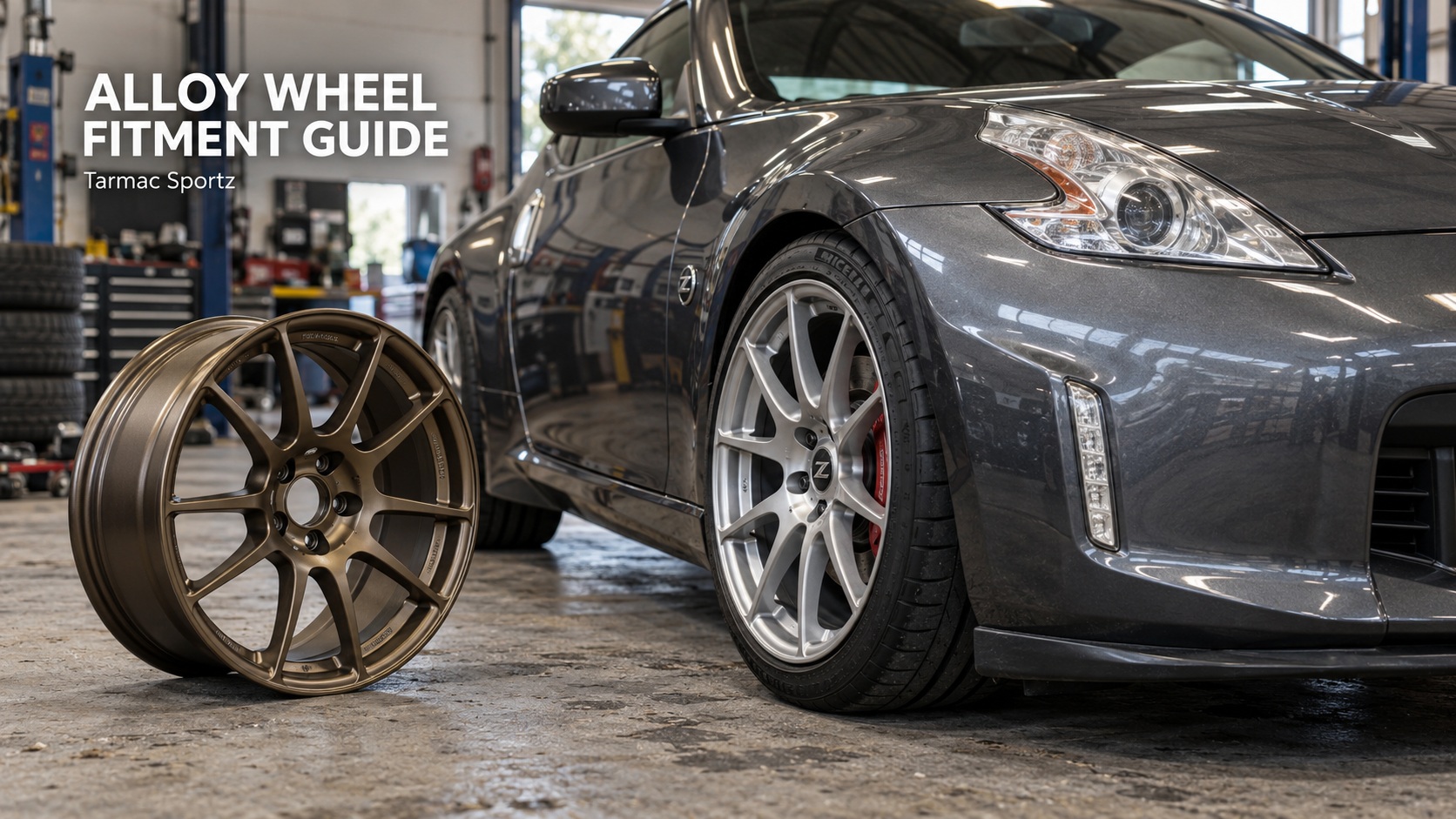
Choosing new alloys is the fun part. Working out whether they’ll fit can take a bit more thought.
We get plenty of wheel enquiries at Tarmac Sportz, and the questions are usually similar: “Will these clear my brakes?”, “What offset do I need?” or “Will they rub now the car’s lowered?”
Before you order, here’s a straightforward guide to what matters.
What do the numbers mean?
Take 18x9.5 ET35 – 5x114.3 as an example.
That’s an 18-inch diameter wheel, 9.5 inches wide, with a positive 35mm offset. The 5x114.3 means five mounting holes arranged on a 114.3mm pitch circle.
All those measurements matter. A wheel having the right number of holes doesn’t necessarily mean it’ll fit your car.
Getting the offset right
Offset is often where people get stuck. It’s normally shown as ET followed by a number.
When comparing two wheels of the same width, a lower ET sits further out towards the arch. A higher ET sits further in towards the suspension.
For example, an 18x9.5 ET25 sits 10mm further out than an 18x9.5 ET35.
That comparison changes if you also change the width. Going wider adds wheel on both sides, so you need to check clearance inside the arch as well as how far the wheel sticks out.
This is why copying someone else’s offset without checking their wheel width can lead to problems.
Will they clear the brakes?
An 18-inch wheel won’t automatically clear every brake setup that fits behind another 18-inch wheel.
Spoke shape and the design of the inner barrel make a difference. Two wheels with the same size and offset can have different brake clearance.
Let us know if your car has larger factory brakes or an aftermarket brake kit. It’s much easier to check before ordering than discover a caliper touching the spokes during fitting.
Don’t forget the tyres
Choose your wheels and tyres together.
Tyre size affects clearance, ride comfort and overall rolling diameter. A wider tyre can also be the difference between a setup that clears and one that catches the arch.
If you’ve seen a fitment you like online, try to find out the tyre size too. The wheel specification only tells you part of the story.
Is your car lowered?
A set of wheels that fits a standard car may catch on one fitted with lowering springs or coilovers.
Ride height, suspension design, alignment and spacers all affect the available room. You need clearance when turning and when the suspension compresses, as well as when the car is parked.
Tell us about any modifications when asking for fitment advice—even if they seem unrelated.
Centre bore, nuts and bolts
These bits are easy to overlook when you’re concentrating on how the wheels look.
The centre bore needs to suit the car’s hub. Some aftermarket wheels use spigot rings to match a larger wheel bore to the hub, where specified for that application.
Your existing nuts or bolts may also be unsuitable. The thread, seating shape and length need to be correct for the wheel and vehicle. Wheel load ratings need checking too.
Square or staggered?
A square setup uses the same wheel size front and rear. A staggered setup uses different sizes, usually with a wider rear wheel.
The right choice depends on the car and how you use it. Some cars come with staggered wheels from the factory, while others are better suited to matching sizes all round.
Wider isn’t automatically better. The aim is a setup that works properly with the car, tyres and suspension.
Ask before you order
If you’re unsure, send the Tarmac Sportz team your car’s make, model, year and trim, along with any brake or suspension changes. Include your current wheel and tyre sizes if you know them, plus the wheels you’re considering.
A photo can help us understand the look you’re after, but we’ll still need the specifications to assess the fit.
Whether you want a straightforward road setup or something wider, get in touch and we’ll help you choose the right alloys for your car.
Recent Posts
-
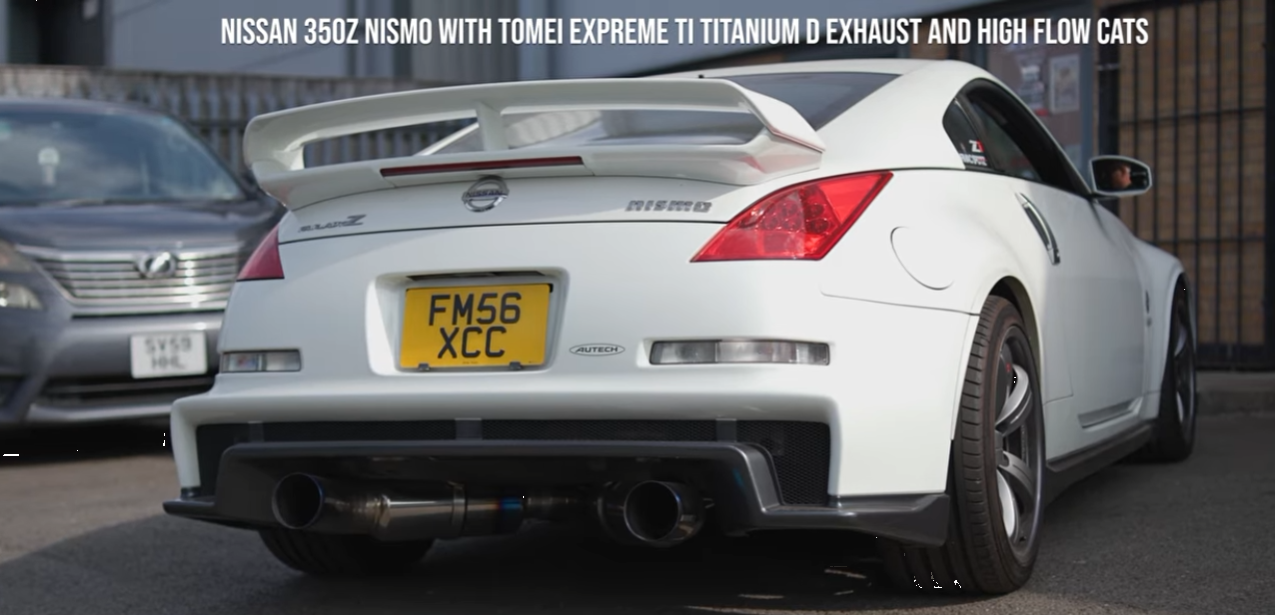
350Z Nismo Unleashed: Tomei Titanium Exhaust – Bungs In or Out? Convert to PDF
 October 28, 2026
-
Choosing new alloy wheels is one of the most enjoyable parts of modifying a car.
 October 28, 2026
-
Will These Alloys Fit My Car? Getting Wheel Fitment Right
October 25, 2026
-
What Service Does My Car Need?
 October 24, 2026
-
Does your car knock over bumps, feel unsettled through corners or ride differently from how it used to?
 October 23, 2026